In the intricate network of modern homes and businesses, plumbing plays a vital role in ensuring the smooth flow of water and the efficient disposal of waste. Plumbers, the skilled professionals trained in this essential trade, are the unsung heroes behind our daily comfort and sanitation. From fixing leaky faucets to installing complex piping systems, their expertise is indispensable in maintaining the integrity of our water supply and ensuring the functionality of our sewage systems.
As we delve deeper into the world of plumbing, we will explore the various roles that plumbers undertake, the challenges they face in their profession, and the innovative technologies shaping the industry today. Furthermore, we’ll discuss the importance of regular maintenance and the best practices for homeowners to keep their plumbing systems in top shape, highlighting how proactive plumbing care can save time, money, and stress in the long run.
The Diverse Roles of Plumbers
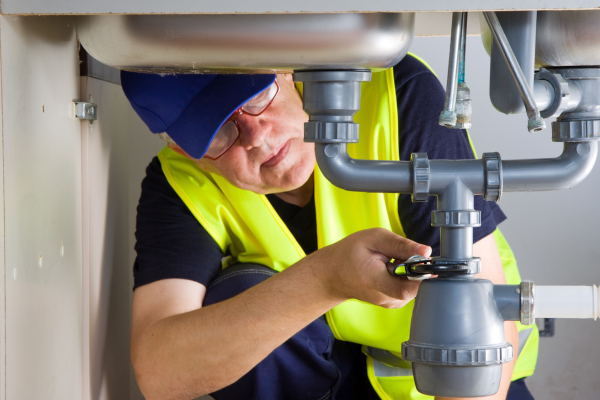
Plumbers undertake a variety of roles, from residential repairs to commercial installations, each requiring unique skills and knowledge. They are responsible for diagnosing issues like clogs, leaks, and pressure problems, often using advanced technology such as video inspection systems to identify hidden problems within pipes. The scope of their work also expands into specialized areas such as gas line installation and backflow prevention. Given the critical nature of their tasks, it is essential for consumers to ask appropriate questions when hiring a plumber. To assist in this process, you can refer to this website, which outlines key considerations to guarantee quality service.

Embracing Innovative Technologies
The plumbing industry is rapidly evolving, embracing new technologies that enhance efficiency and effectiveness. From smart sensors that monitor water usage to eco-friendly fixtures that minimize waste, these advancements not only improve service delivery but also promote sustainability. Additionally, plumbing software is becoming increasingly popular, allowing plumbers to manage jobs, schedules, and inventory with ease. As technology continues to advance, plumbers are equipped to handle more complex systems, ensuring that both homes and businesses can function smoothly while conserving resources and reducing costs.
In conclusion, plumbers are more than just fixers of leaks and clogs; they are essential contributors to the health and safety of our communities. As they adapt to new technologies and methodologies, their role becomes increasingly complex and crucial. By investing in regular maintenance and staying informed about the latest advancements in plumbing, homeowners can forge a partnership with these skilled professionals, ensuring that their systems operate efficiently and sustainably. Ultimately, the value of plumbing goes beyond mere convenience; it touches every aspect of daily life, underscoring the importance of this trade in safeguarding our well-being and preserving the environment for future generations.