
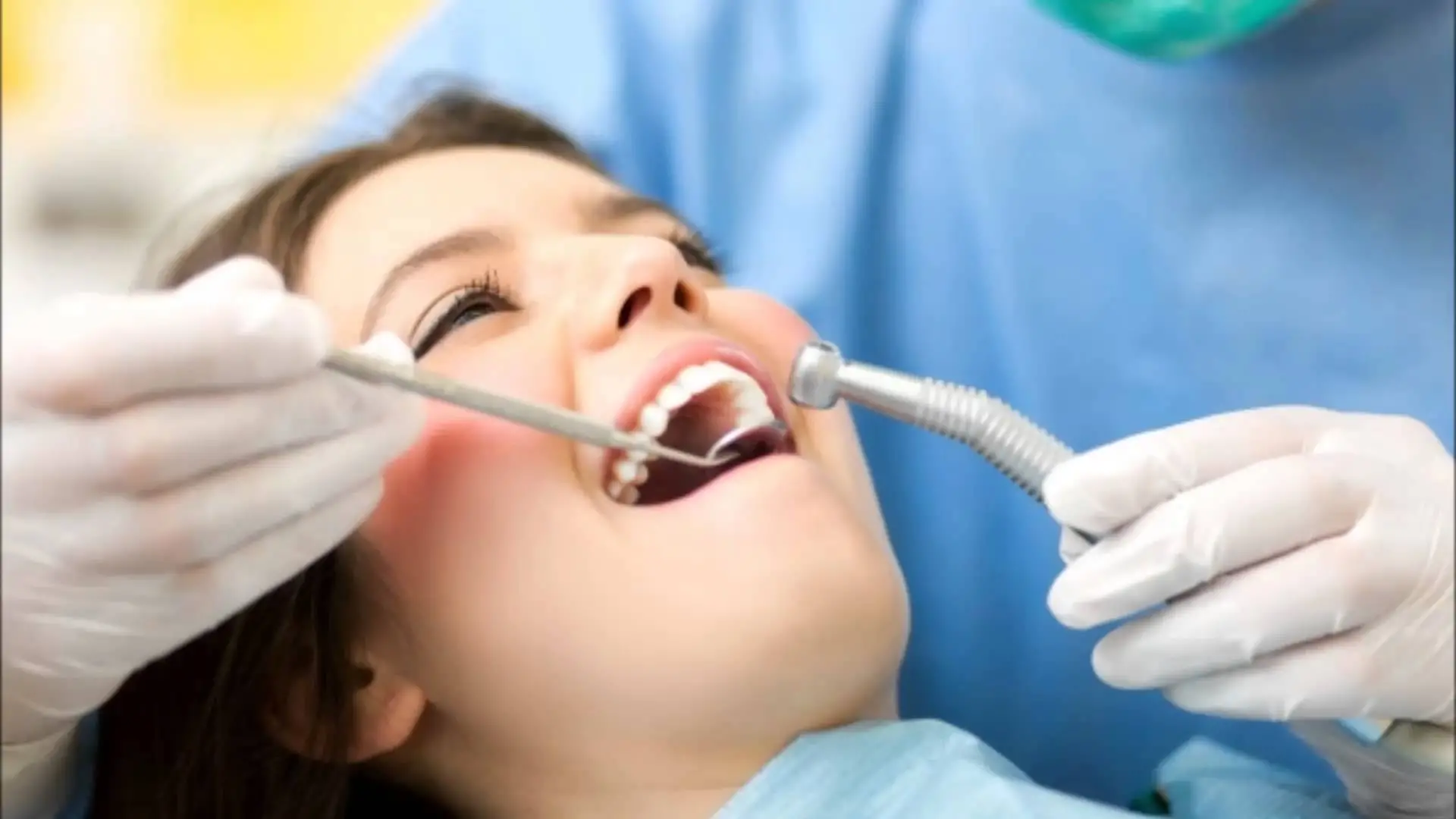
Prosthodontics, a specialized branch of dentistry, focuses on the restoration and replacement of teeth to enhance both function and aesthetics. A prosthodontist is a dental professional who undergoes extensive training to address complex dental issues, ranging from crowns and bridges to full-mouth reconstructions and dentures. With their expertise, they not only fix dental imperfections but also improve the overall quality of life for individuals who may struggle with oral health challenges due to missing or damaged teeth.
The role of a prosthodontist extends beyond mere technical skills; it requires a keen understanding of dental materials, oral health science, and patient care. By employing advanced techniques and state-of-the-art technology, prosthodontists create customized treatment plans tailored to the unique needs of each patient. In this article, we will explore the various aspects of prosthodontics, including the different types of prosthetic devices, the training and qualifications necessary to become a prosthodontist, and how they contribute significantly to the field of dentistry.
Types of Prosthetic Devices
Prosthodontists work with a variety of prosthetic devices, including crowns, bridges, dentures, and implants, tailoring each solution to meet the specific needs of their patients. Crowns are often used to restore or cover damaged teeth, while bridges serve to fill the gap created by missing teeth, providing a realistic and functional replacement. For those who have lost multiple teeth or an entire arch, dentures can offer a non-invasive way to regain a full smile. Dental implants, on the other hand, provide a permanent solution by mimicking the root structure of natural teeth. Regardless of the chosen approach, the goal remains the same: to enhance functionality and aesthetic appeal for a better quality of life. If you are in search of expertise in this area, consider consulting with a Prosthodontist Tampa FL.

The Path to Becoming a Prosthodontist
Becoming a prosthodontist requires a significant commitment to education and training. Initially, individuals must complete a dental degree followed by a specialized residency program in prosthodontics, which typically lasts three years. This rigorous training equips them with the skills needed to handle complex cases involving restorations and replacements. Additionally, prosthodontists must stay updated on the latest advancements in dental technology and materials to ensure they provide the highest standard of care. This dedication to ongoing education not only enhances their technical capabilities but also reinforces their commitment to patient-centered care, ensuring each individual receives personalized treatment for their unique dental needs.
In conclusion, prosthodontists play a critical role in modern dentistry, bridging the gap between aesthetic appeal and functional restoration. Their specialized training allows them to tackle some of the most challenging dental issues, providing solutions that not only restore smiles but also significantly improve patients’ self-esteem and overall health. By utilizing advanced materials and cutting-edge techniques, they create tailored treatment plans that meet the diverse needs of individuals, enhancing both oral function and visual harmony. As advocates for comprehensive patient care, prosthodontists are dedicated not only to the art and science of dentistry but also to the well-being of those they serve, making a lasting impact on their patients’ lives.