
Vacuum cleaners have revolutionized the way we maintain cleanliness in our homes and workplaces, transforming the arduous task of cleaning into a more efficient and manageable chore. From their early beginnings in the late 19th century to the advanced models available today, vacuum cleaners have continually evolved, incorporating cutting-edge technology and innovative designs to enhance their performance. Whether it’s the convenience of a cordless model or the powerful suction of a bagless design, these essential appliances have become a staple in modern households, significantly reducing the time and effort required to keep our living spaces dust and dirt-free.
As consumers become increasingly conscious of health and environmental impacts, the vacuum cleaner market has adapted, offering a variety of options tailored to different needs and preferences. From pet owners seeking specialized models to allergy sufferers benefiting from HEPA filters, there is a vacuum cleaner to suit everyone. This article explores the types, features, and maintenance tips of vacuum cleaners, aiming to provide readers with a comprehensive understanding of how to choose the right model for their cleaning needs while ensuring optimal performance and longevity.
Types of Vacuum Cleaners
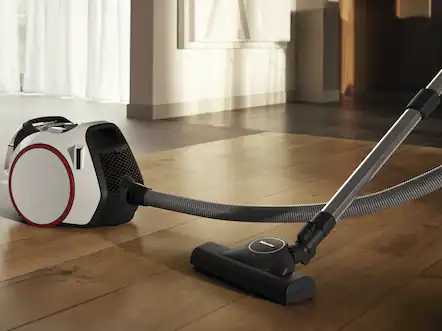
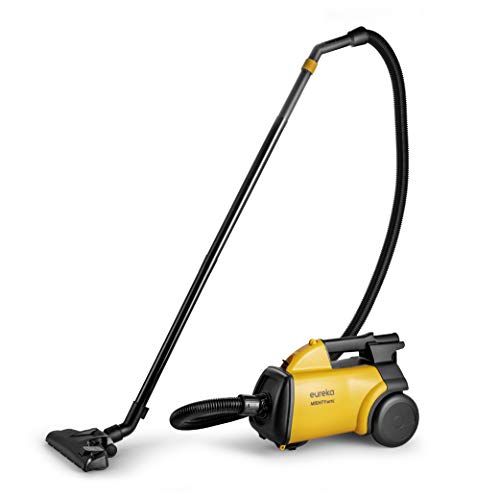
The vacuum cleaner market offers various types to meet diverse cleaning needs. Upright vacuums are popular for their powerful suction and ease of use on carpets, while canister models provide versatility for reaching tight spaces and varied surfaces. For those who prioritize convenience, cordless and robotic vacuums deliver unmatched portability, making them ideal for quick cleanups. Specialized options, such as wet/dry vacuums and models designed specifically for pet hair, cater to unique requirements, ensuring that consumers can find the perfect Vacuum Cleaner for their specific cleaning challenges.
Maintenance Tips for Longevity
To ensure the longevity and optimal performance of your vacuum cleaner, regular maintenance is essential. This includes emptying the dust bin or replacing bags frequently, as a full receptacle can hinder suction power. Cleaning or replacing filters according to the manufacturer’s recommendations helps maintain efficient airflow, while inspecting and removing hair or debris from the brush roll prevents operational issues. By adopting these simple maintenance practices, users can maximize their vacuum’s lifespan and maintain its cleaning efficacy.
In conclusion, the vacuum cleaner has not only made the task of cleaning more efficient but has also adapted to meet the evolving needs of consumers, becoming an indispensable tool in maintaining healthy living environments. With a variety of models available, from traditional upright vacuums to innovative robotic options, individuals can choose the right type that best fits their lifestyle and cleaning habits. By understanding the features each vacuum offers and committing to regular maintenance practices, users can ensure their appliances remain effective for years to come. Ultimately, the right vacuum cleaner not only helps keep our spaces tidy but also contributes to a healthier, more comfortable home environment.